
 Bring More Hummingbird Joy to Your Backyard!
With hummingbird migration in full swing, now is the perfect time to elevate your backyard experience. A few simple changes can help you enjoy longer visits, better views, and healthier hummingbirds.
Improve the View
Bring the action closer. Our Decorative Window Hummingbird Feeder gives you an up‑close look at every hover, sip, and wingbeat. You can also bring your existing feeders closer with an Advanced Pole System® or hummingbird pole.
Choose feeders that don’t block the show.
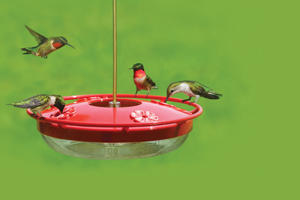
WBU tray‑style feeders offer clear, unobstructed views—unlike traditional gravity‑fed bottle feeders that hide the birds behind the reservoir.
Let them perch and stay awhile.
The High Perch™ Hummingbird Feeder provides a comfortable resting spot, encouraging longer feeding sessions and better viewing opportunities.
Offer Multiple Feeders: Ban the Bully
Adult male hummingbirds can be surprisingly territorial. By offering multiple feeders spread throughout your yard, you make it harder for one dominant bird to guard them all.
More feeders = more access for females, juveniles, and migrating birds who need frequent, peaceful feeding opportunities—especially during nesting season.
Take a Closer Look
Hummingbirds are full of fascinating details when you know what to watch for:
- Their tongues move in and out up to 12 times per second to lap up nectar.
- Their tiny feet are used mostly for perching and preening—not walking.
- Look for yellow pollen dust on their foreheads after flower visits.
- Watch for tail‑fanning, darting, and pendulum‑style flights—these are all forms of hummingbird communication.
Nectar: Pure, Simple & Safe
Hummingbirds rely on nectar as their primary energy source. Water alone cannot meet their needs—they require the natural sugars found in nectar to fuel their high metabolism, migration, and nesting efforts. During nesting season, females burn enormous amounts of energy building nests, incubating eggs, and feeding chicks. A reliable nectar source helps them survive and thrive.
Why You Should Never Use Red Dye
- Red dye is unnecessary and potentially harmful.
- Hummingbirds are attracted to the red feeder, not the nectar.
- Artificial dyes can irritate their digestive system and may contribute to long‑term health issues.
- Clear nectar is the safest choice—simple, natural, and closest to what they find in flowers.
Why Nectar Defender Helps
Freshness matters. Nectar spoils quickly, especially in warm weather.
Nectar Defender uses a bird‑safe micronutrient found in nature to keep nectar fresh up to twice as long, reducing waste and ensuring hummingbirds always have a clean, healthy food source. This is especially important during migration and nesting, when birds return to feeders frequently and rely on consistent nutrition.
The Perfect Nectar Recipe
- 4 parts water : 1 part white sugar
(Example: 1 cup water + ¼ cup sugar) - Bring to a boil until the solution is clear.
- Cool completely before filling your feeder.
- Store extra nectar in the refrigerator for up to one week.